Barbosa |
|||
Bastian |
|||
Blum |
|||
Brott |
|||
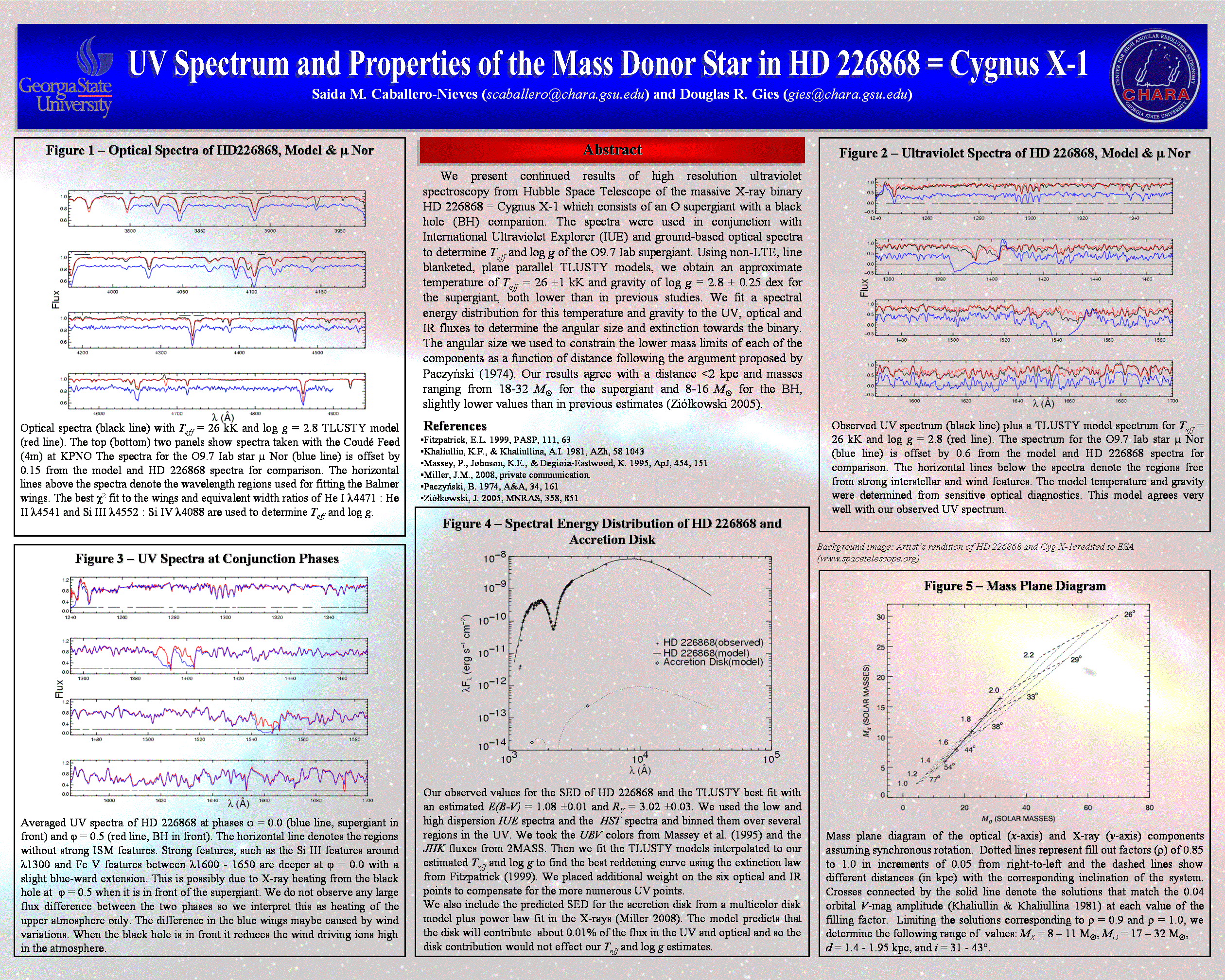
Caballero |
|||
Chen |
|||
Chita |
|||
Chu |
|||
Churchwell |
|||
Corcoran |
|||
Crowther |
|||
Damineli et al |
|||
Damineli |
|||
Fullerton |
|||
Gagne |
|||
Gallagher |
|||
Garcia |
|||
Garmany |
|||
Georgiev |
|||
Hamann |
|||
Hillier |
|||
Howarth |
|||
Indebetouw |
|||
Kobulnicky |
|||
Koenigsberger |
|||
Lang |
|||
Leitherer |
|||
Lennon |
|||
Levesque |
|||
Linder |
|||
Maeder |
|||
Mahy |
|||
Massa |
|||
Massey |
|||
McSwain |
|||
Moffat |
|||
Moises |
|||
Morrell |
|||
Morris |
|||
Naze |
|||
Nieva |
|||
Olsen |
|||
Oskinova |
|||
Owocki |
|||
Penny |
|||
Przybilla |
|||
Skinner |
|||
Smith |
|||
Soderberg |
|||
Teodoro |
|||
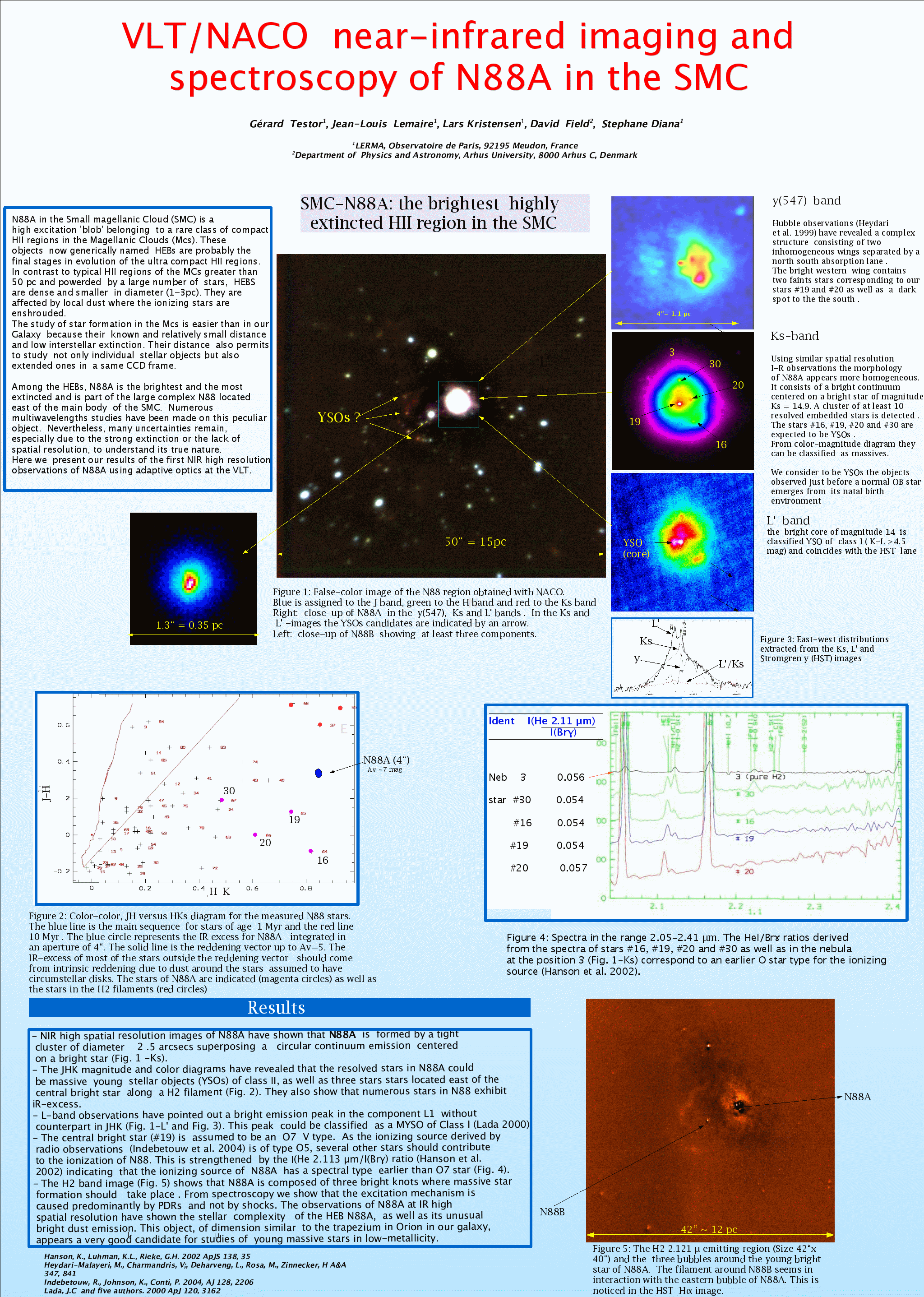
Testor |
|||
Townsley |
|||
Vacca |
|||
Vink |
|||
Wachter |
|||
Walborn |
|||
Wallerstein |
|||
Whelan |
|||
Williams |
|||
Willis |
|||
Wing |
|||
Wolff |
|||
van den Heuvel |
The Contifest presenters are listed at left.
Use the Read Abstract links to see their abstracts on this page.
Use the Download links to get a copy of the talk or poster (the various contributions are either in PDF, PPT, or GIF format).